

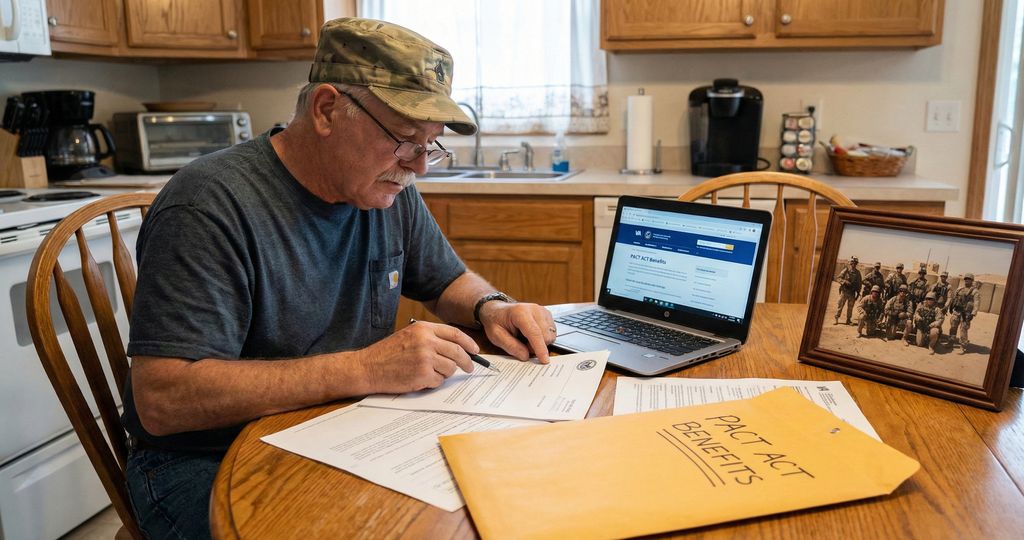
Many veterans have lived for years with illnesses linked to burn pits, toxic exposures, and other hazards that were once difficult to prove. The PACT Act was created to bring long overdue support to these service members. It expands access to health care, strengthens the list of presumptive conditions, and opens new benefits for veterans who served in specific regions and periods. For many families, it represents a turning point after long efforts to secure proper recognition and assistance.
The purpose of this guide is to help veterans understand how the PACT Act works, what conditions it covers, and how to move forward with a claim. While the law is broad and often dense, the core idea is simple. More veterans now qualify for benefits, and the process of proving exposure is far more manageable than before.
What the PACT Act Covers
The PACT Act expands presumptive service connection for veterans who faced burn pit exposure and other toxic hazards during their service. A presumptive condition is one that the Department of Veterans Affairs automatically associates with qualifying service. This means a veteran no longer needs extensive evidence to prove the link between their illness and their time in the military.
The law identifies service in Iraq, Afghanistan, Kuwait, Saudi Arabia, Somalia, Syria, and several other locations across the Southwest Asia theater. Veterans who served in these areas during the Gulf War period and later operations are now included. This broader framework reduces burdens on claimants and acknowledges the real conditions many faced throughout deployments.
The act also expands the list of illnesses believed to be caused by exposure to airborne hazards. Respiratory problems, certain cancers, chronic bronchitis, chronic sinusitis, emphysema, and several other diseases fall under this category. The goal is to make sure veterans no longer lose critical time gathering proof while their health declines.
Improved Access to VA Health Care
Another important feature of the PACT Act is its expansion of health care eligibility. Many veterans who did not previously qualify for VA health care now have an open path to enrollment. This is especially important for those who left the military years before their symptoms appeared. The act recognizes that toxic exposure often leads to long term health effects that take time to surface.
The law also allows the VA to invest in more clinics, more staff, and more resources. For veterans, this means a better chance of timely appointments and improved specialty care. Many have already noticed changes in outreach efforts, including more frequent screenings and follow ups for conditions linked to exposure.
Filing a Claim Under the PACT Act
Veterans who believe their illness is related to service can file a claim with the VA. Although the process is more accessible than before, it still requires attention to detail. Medical documents, service records, and clear symptom descriptions help build a strong claim. Veterans often choose to work with a VA accredited lawyer to guide them through the process and prevent delays.
A claim under the PACT Act follows the same basic structure as any other disability claim. The VA reviews the application, examines medical history, schedules appointments if needed, and assigns a disability rating. The difference is that veterans covered by presumptive conditions no longer need to prove exposure. Their service in a qualifying region acts as the foundation of the claim.
It is also worth noting that survivors of deceased veterans may qualify for benefits. Family members who believe a veteran passed away from a condition now recognized as presumptive can file a claim for dependency and indemnity compensation. The act acknowledges not only the needs of living veterans but also the sacrifices of families who endured years of uncertainty.
Key Points Veterans Should Know
Many veterans have questions about coverage, timelines, and eligibility. The following points often help clarify the basics.
First, the PACT Act is not limited to recent service. Gulf War veterans, post Gulf War veterans, and many who served in earlier periods are included. Second, veterans who were previously denied claims for conditions now listed as presumptive are encouraged to reapply. Past denials do not prevent new approvals under the updated rules. Third, regular medical checkups are important. The VA continues to expand research and may update the list of conditions over time.
Veterans should also understand that filing early can make a significant difference in back pay and future coverage. Although the law grants broad rights, it does not automatically start a claim. Action must be taken by the veteran or their representative.
How the PACT Act Supports Long Term Well Being
The long term purpose of the PACT Act is to establish a more stable and fair system for veterans with illnesses linked to toxic exposure. It encourages early detection and ensures that veterans have access to health care long before severe symptoms appear. This improves quality of life and helps families manage long term medical needs.
For many, the act represents something deeper than policy. It offers recognition of hardships that had gone unacknowledged for too long. The law signals a commitment to understanding how military environments affect health and to providing the care veterans have earned.
Finding the Right Legal Support
Although the act simplifies many steps, veterans often benefit from professional guidance, especially when navigating complex medical histories or past denials. Ban Law Office PC provides legal help for VA disability claims and can review eligibility under the PACT Act. A careful review of service records, medical findings, and prior claim outcomes allows veterans to move forward with confidence.
An experienced VA accredited lawyer can reduce errors, track deadlines, and communicate directly with the VA when questions arise. This helps prevent delays and ensures the veteran’s full rights are protected.
Moving Forward With Confidence
The PACT Act is one of the most significant expansions of veteran benefits in recent years. It strengthens access to care, eases the burden of proof, and widens the range of covered conditions. Veterans who believe they may qualify should take time to review their service history, seek medical evaluation, and explore their eligibility.
Support is available at every step, and no veteran should feel they must manage the process alone.
The PACT Act offers a new level of support for veterans affected by toxic exposure. It brings improved health care access, expanded disability benefits, and long awaited recognition of service related illnesses. Veterans and families who have questions or need guidance can reach out for help and begin the process of securing the benefits they deserve.
Contact Ban Law Office PC at +1 801 532 2447 for assistance with PACT Act claims and VA disability matters.